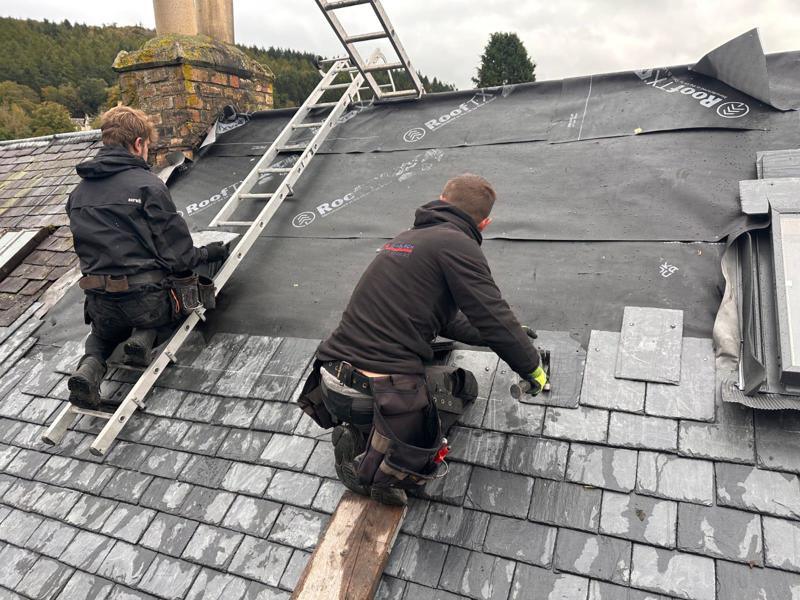
Roof Repair or Replacement: How to Decide What’s Right
When a roofing issue appears, one of the first questions property owners ask is whether it can be repaired or if a full replacement is needed. The right choice depends on the condition of the roof, the extent of the damage and how long you plan to stay in the property.
Understanding the difference between a repair and a replacement can help you make a more informed decision and avoid unnecessary costs.
When a Roof Repair Is the Right Option
In many cases, a repair is all that’s needed to restore your roof and keep it performing properly. Smaller issues can often be fixed quickly without the need for major work.
Repairs are usually suitable when:
- Damage is limited to a small area
- A few tiles are missing or broken
- There are minor leaks or isolated issues
- The rest of the roof is still in good condition
If the overall structure of the roof is sound, repairing the affected area can extend its lifespan without the cost of a full replacement.
When a Roof Replacement Makes More Sense
There are situations where repairs are no longer the most practical solution. If problems are widespread or the roof has reached the end of its lifespan, replacing it entirely is often the better long term option.
A replacement may be the right choice if:
- The roof is showing signs of widespread wear
- There are recurring leaks in multiple areas
- Structural issues are present
- The roof is reaching or has exceeded its expected lifespan
While a replacement requires a larger upfront investment, it can provide long term reliability and reduce the need for repeated repairs.
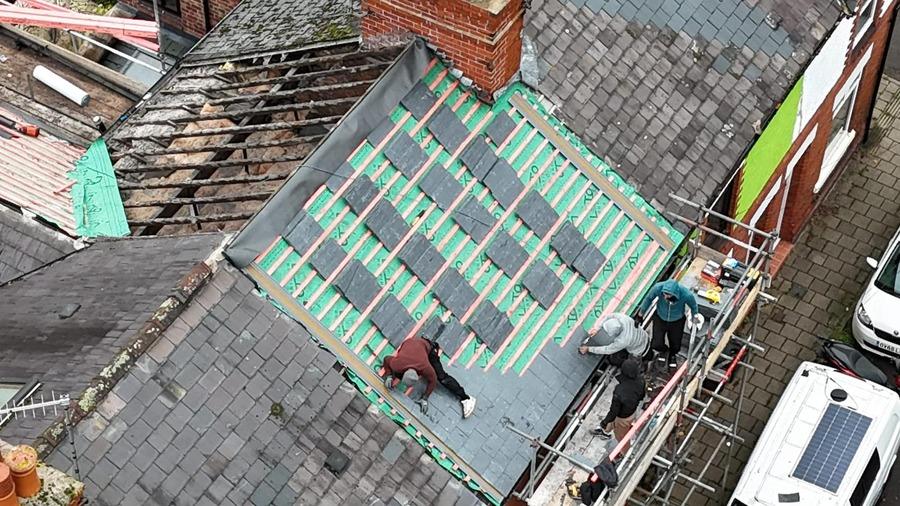
Considering the Age of Your Roof
The age of your roof plays a big role in deciding between repair and replacement. Most roofing systems are designed to last for a specific period depending on the materials used.
If your roof is relatively new and the damage is isolated, a repair is usually the most sensible option. If it’s older and showing consistent signs of wear, investing in a replacement can prevent ongoing issues.
Cost vs Long Term Value
Repairs are typically more affordable in the short term, but repeated repairs can add up over time. In some cases, continuing to patch up an ageing roof can end up costing more than replacing it altogether.
A new roof offers long term value by providing improved performance, better insulation and peace of mind that the structure is sound.
Signs You Shouldn’t Ignore
There are certain warning signs that suggest a more serious issue:
- Multiple leaks across different areas
- Sagging sections of the roof
- Persistent damp problems inside the property
- Visible deterioration across large areas
If you’re noticing more than one of these issues, it may be time to consider a full replacement rather than ongoing repairs.
Getting the Right Advice
Every roof is different, so the best way to decide between a repair or replacement is to have it properly assessed. A professional inspection will identify the extent of the issue and help you understand the most suitable option for your property. If you’re unsure about the condition of your roof, get in touch with our team for honest advice and a free quote — we’ll help you find the right solution without unnecessary work or cost.